Tracking is the Art of Seeing
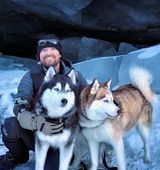
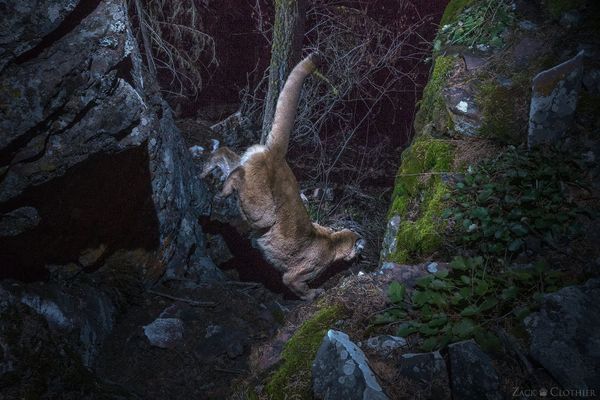
If you've spent as much time in the wild as I have, you're going to learn things that nobody else knows. At this point, I can predict with a high degree of confidence whether mountain lions are using a particular area simply by studying a topographic map and understanding the predominant winds. This skill has taken me years to develop. Time spent tracking and photographing these big cats year after year has only fine-tuned that skill.
When I'm in the field scouting, I have this uncanny ability to tell whether a location is likely to produce the wildlife that I’m wanting to photograph. This has led to much of my success as a wildlife photographer, and it all started when I was very young. My favorite hobby as a young boy was tracking wildlife in my backyard. I would set off alone into the woods almost daily, tracking the critters that called the forest their home.
Tracking is one of the oldest primitive skills. A tracker can glean a wealth of information from footprints alone. When there is snow on the ground, you can literally reconstruct an animal's entire day simply by following its trail.
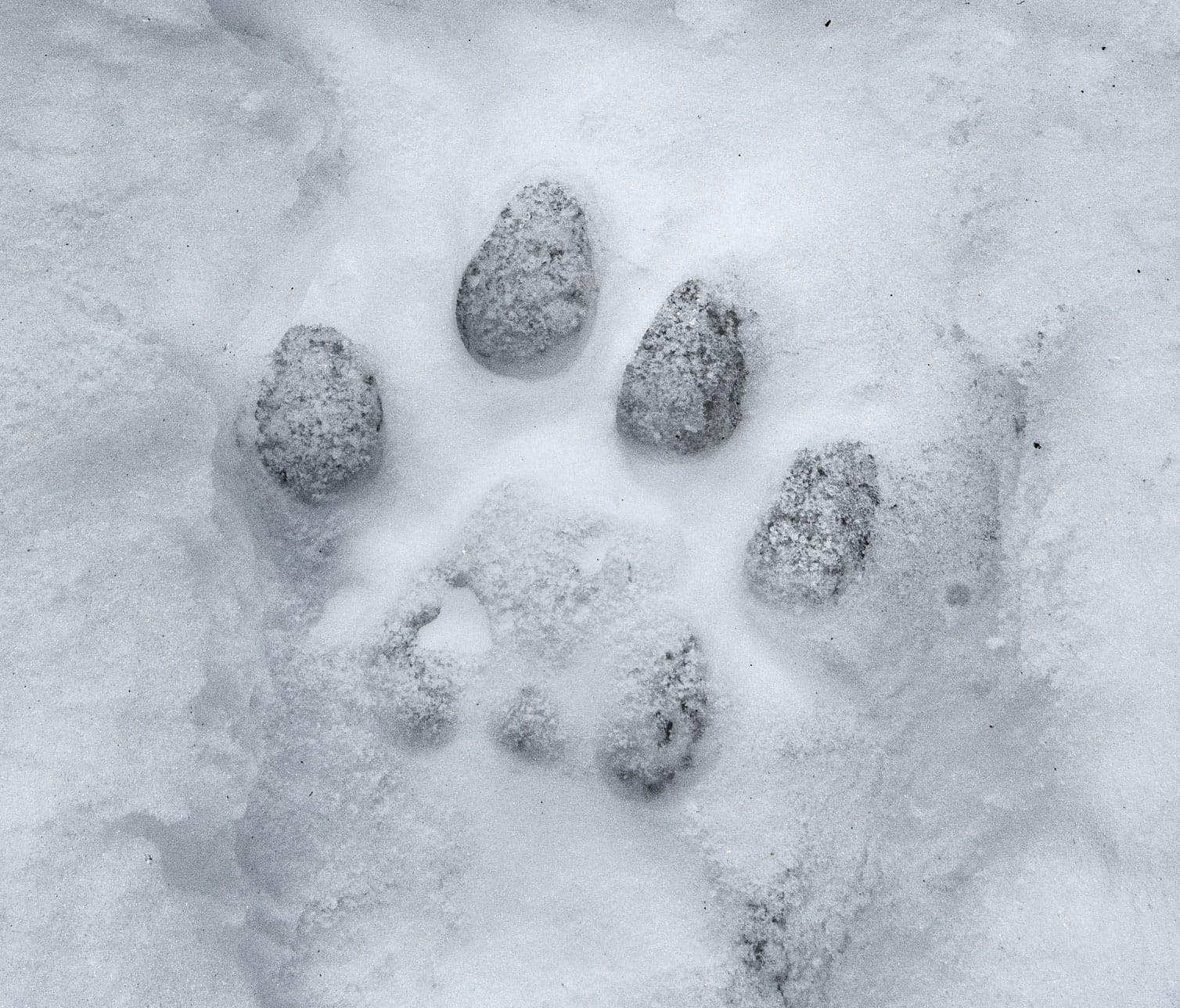
As a nature photographer, I specialize in rare and seldom-seen wildlife. For starters, there is less competition, as these animals are extremely difficult to find, let alone photograph. This presents a significant challenge to the photographer. That challenge is what keeps me coming back time and time again.
There is certainly nothing wrong with photographing in National Parks, I have certainly done my fair share of it over the years. I just don't get the same level of enjoyment out of it though. I would much rather track down my subjects the old-fashioned way, on foot and in the backcountry. Much of the wildlife in national parks, especially the animals that spend time near the roads, has become habituated to people and is therefore relatively easy to photograph, in my opinion. Getting something unique and different from everybody else is perhaps the most difficult part. The best that a photographer can hope for is that the animal gives you a unique expression or does something completely unexpected. Contrast this with being in the backcountry, where wildlife is very wary and extremely difficult to both find and photograph.
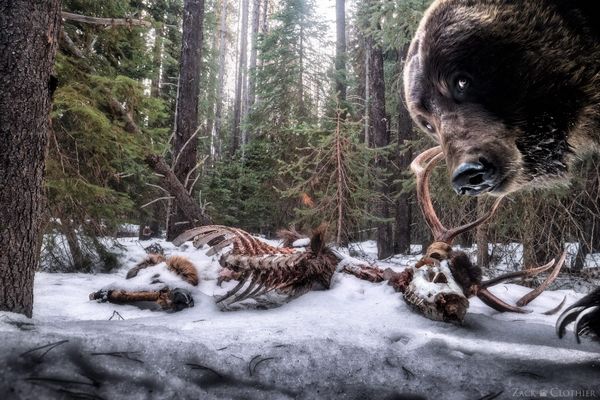
I prefer the latter. I find that the harder I work for a particular photograph, the more value and satisfaction I get from it. I'm weird like that, I suppose. When I am camera trapping, the satisfaction is taken up another notch. Knowing exactly where to place a camera in the wild to capture a specific species is a skill you learn through repetition. It comes from going back to the same places over and over again, tracking the same animals again and again, knowing that there is always something more there to learn. It's learning from all of the failed attempts. The mishaps. The missed opportunities.
Each and every time I venture into the wild, I learn something I did not know before. Every. Single. Time. That's humbling in a way, but not at all surprising. The natural world is full of wild lessons just waiting to be taught or discovered by those willing to open their eyes and minds. Perhaps that's what keeps me coming back. No matter how much I learn, the wild always has a way of reminding me how much I still don't know.